Director of Children's Services
Ages birth to twelve, since 1953
A children's center in Clarks Summit run by United Cerebral Palsy of NEPA, serving kids birth to twelve.
Plan a visitHow we see children
Early intervention here happens where a child already lives and plays. That means a therapist or teacher comes to the home, the child care center, or a spot in the community the family knows well. A toddler might work on stacking blocks at the kitchen table or practice words during a walk to the mailbox. The setting is familiar, so the learning sticks.
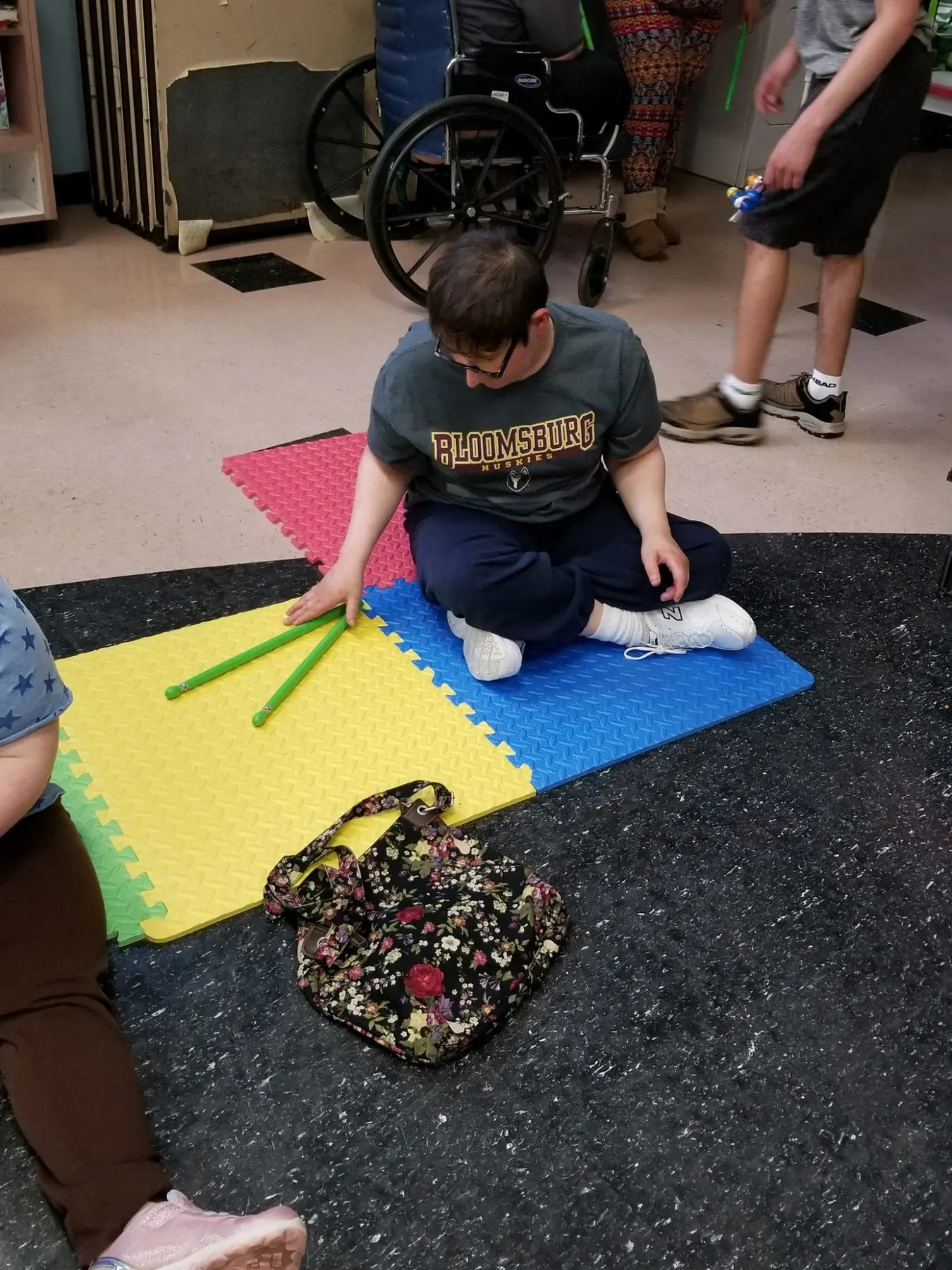
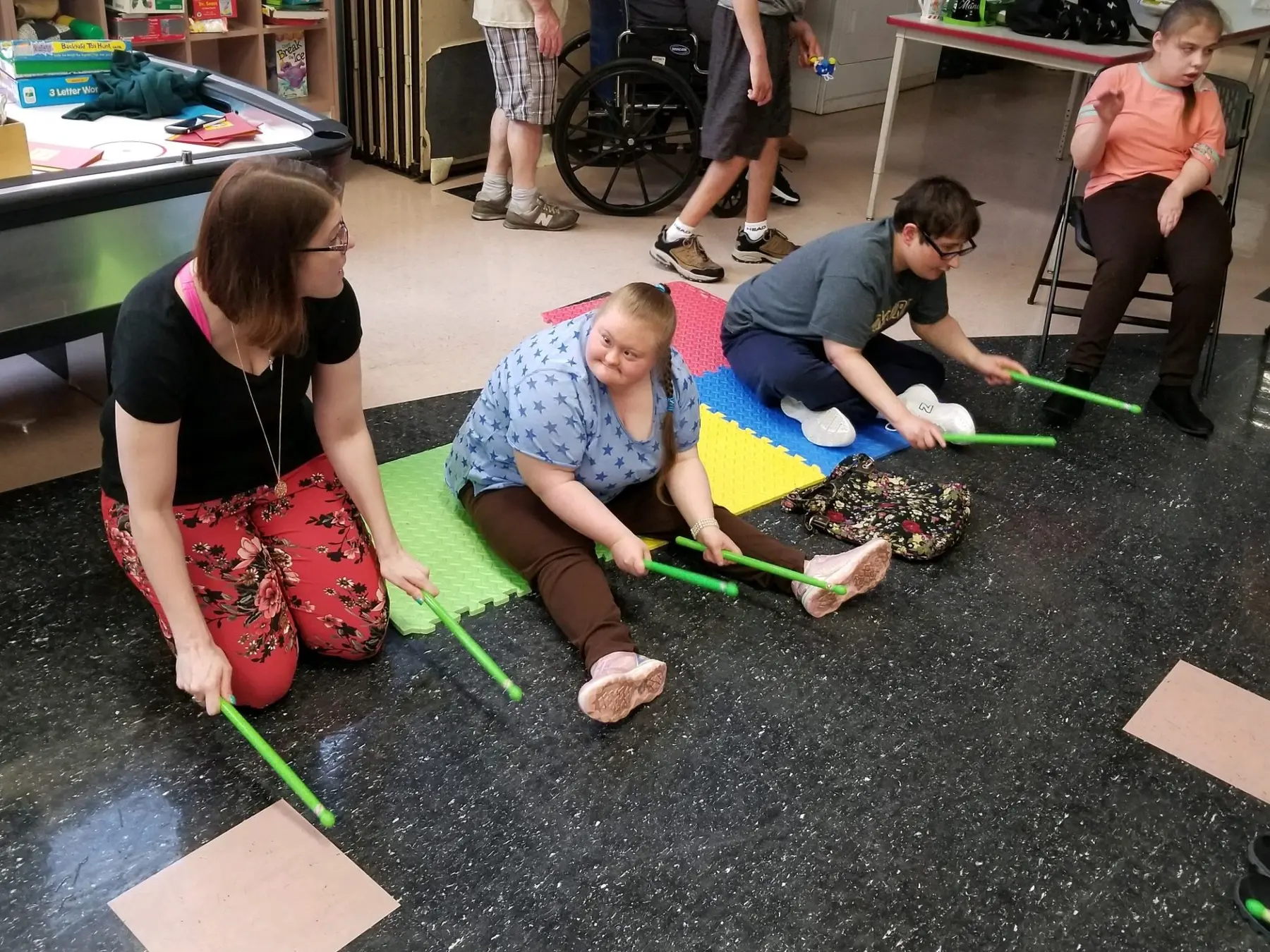
In the rooms, teachers get down at eye level and follow what a child is reaching for. One child might push a switch to make a toy light up. Another sorts big wooden pieces while a teacher names the colors. Small groups keep the noise low and the waiting short. A therapist and teacher often trade notes in the same afternoon, so the next day's plan matches what the child did today.
Early intervention happens in the child's natural environment: their home, their child care center, or the places they already go. Assistive technology support runs through the center's role as one of nine Assistive Technology Resource Centers in partnership with TechOWL, serving Bradford, Lackawanna, Pike, Susquehanna, Wayne, and Wyoming counties. Ask the director what a first visit or intake looks like for your family.
What you notice in practice
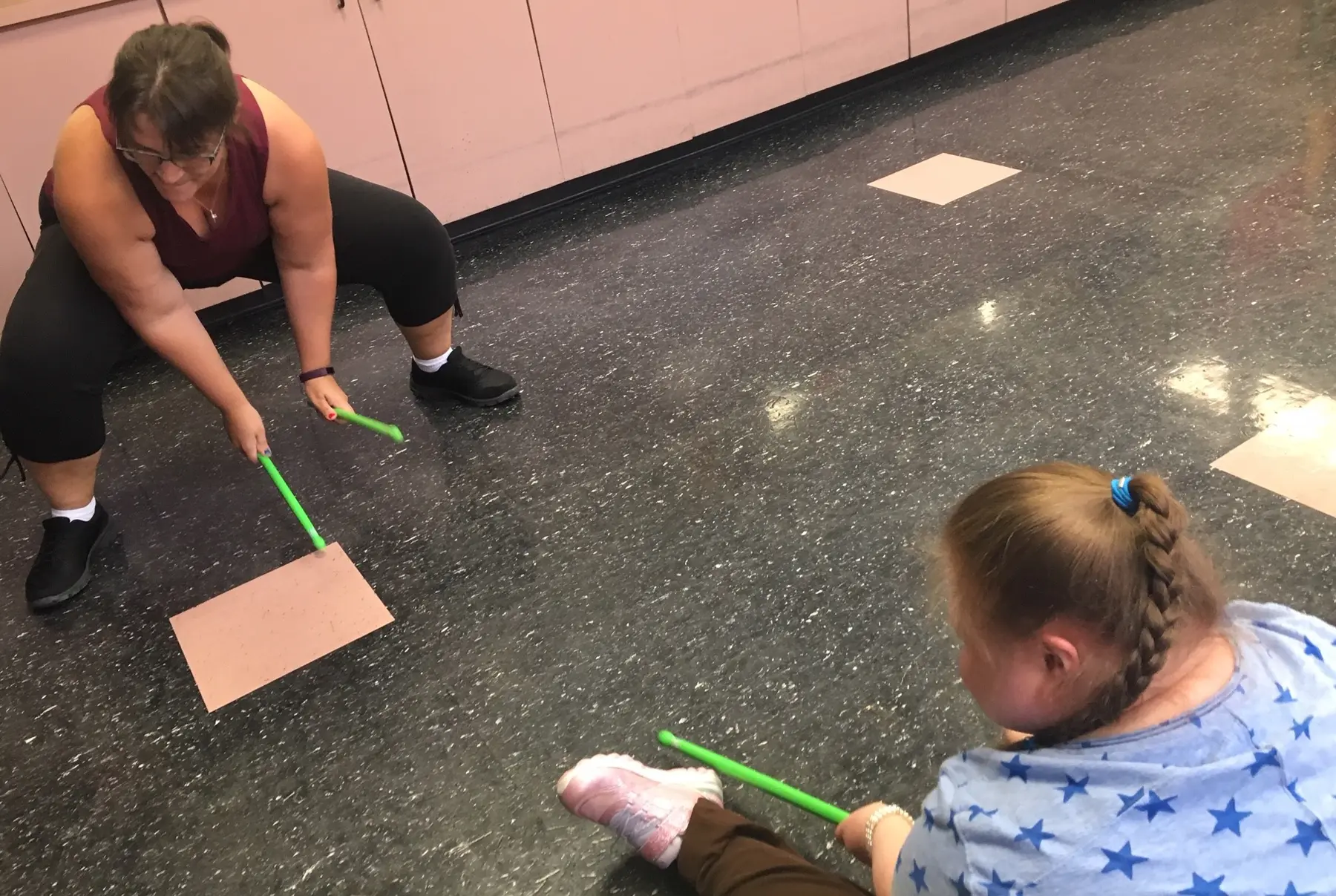
Teachers get low, at eye level, and follow the child's lead rather than pulling everyone into one activity. Children work in small groups, and the room is arranged so a child can reach what they need. Therapists and instructors join in during the day. Ask to see how that looks on a tour.
Rooms are set up so a child can choose: a low shelf with a few toys, a mat for floor time, a quiet corner with soft cushions. The day moves in unhurried blocks so no one is rushed from one thing to the next. Snack, play, and rest follow the children's energy rather than the clock. Assistive technology sits within reach, not locked away.
How we work with families
At pickup, a teacher might tell you your child pushed a walker across the room for the first time or finally tried the crunchy carrot. If a question comes up that day, it goes to the right person on the team. The speech therapist and the physical therapist both work in the building, so answers don't wait long. Families can always ask the director for a sit-down.
A new child starts with a home visit. A nurse sits down with the family and asks what they need and what they want to work on. From there, the nurse helps build a plan and connects the family with other agencies if that helps. Visits continue as long as they are useful, so small problems get caught early.
The people here every day
Occupational Therapist
Heather Barletta
Lekotek Play Specialist
Ann Joyce
Physical Therapist
Jennifer Malak
Speech Therapist
Colleen Moylan
Special Needs Instructor